
Two things guide most golfers when they pick a golf ball.
Price… and how it feels off the putter.
And both of those are wrong. That might sound harsh, but stay with me.
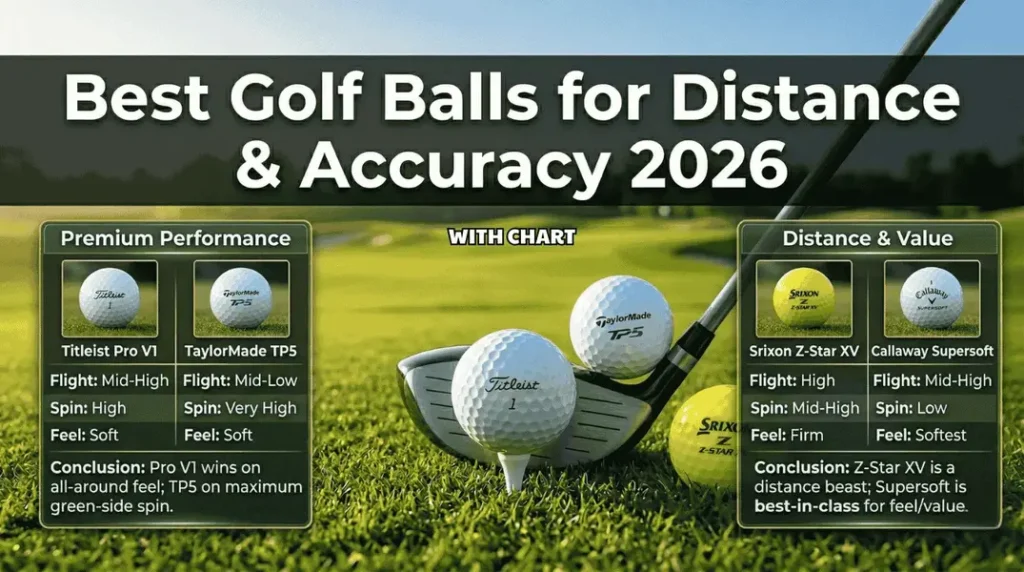
Best Golf Balls for Distance & Accuracy 2026
Self-tested · Matched to every swing speed & budget
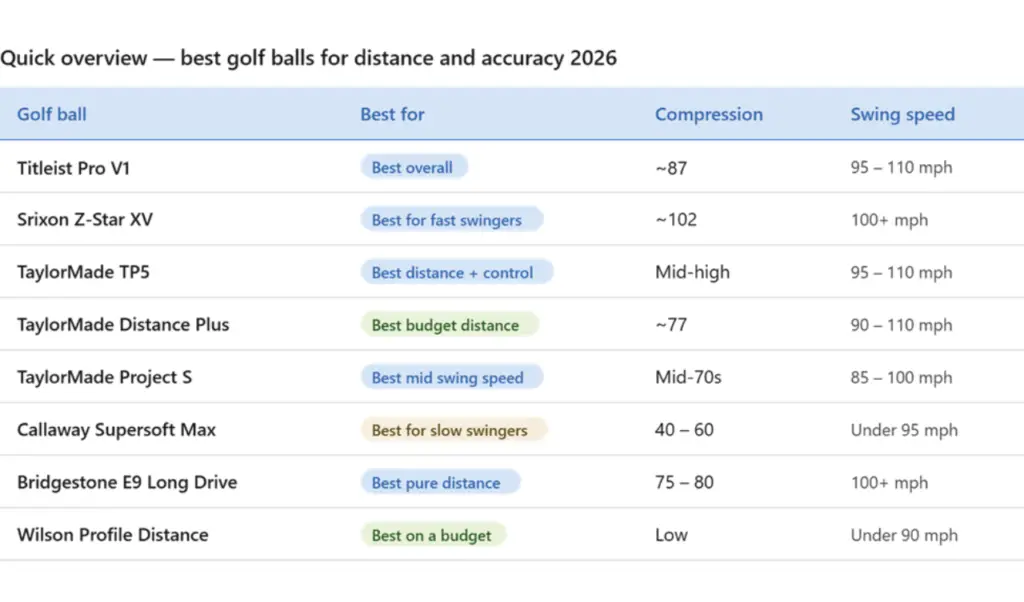
| Golf Ball | Best For | Price |
|---|---|---|
| 1. Titleist Pro V1 | Best Overall | CheckPrice |
| 2. Srixon Z-Star XV | Best for Fast Swingers | CheckPrice |
| 3. TaylorMade TP5 | Best Distance + Control | CheckPrice |
| 4. TaylorMade Distance Plus | Best Budget Distance | CheckPrice |
| 5. TaylorMade Project S | Best Mid Swing Speed | CheckPrice |
| 6. Callaway Supersoft Max | Best for Slow Swingers | CheckPrice |
| 7. Bridgestone E9 Long Drive | Best Pure Distance | CheckPrice |
| 8. Wilson Profile Distance | Best on a Budget | CheckPrice |
Think about your last round. Did your drive drop at 235 yards when it should fly 250? Did your iron shot hit the green and roll right off the back? Do your wedges fail to stop in time?
You might think your swing is the bad part. But it is probably not your swing.
Most golfers use the wrong golf ball for their game. In fact, 90% of us play a ball that makes us worse. Finding the best golf balls for distance and accuracy is not just marketing talk — it is the single most overlooked fix in amateur golf.
And that mistake costs you in three big ways:
- You lose distance off the tee
- You lose control on approach shots
- You get results that feel random and hard to trust
The worst part? You don’t even know it’s happening.
But here’s the good news. Fixing this is not hard. You don’t need a new swing. You don’t need new clubs. You just need the right golf ball.
Today’s guide: Best Golf Balls for Distance and Accuracy is going to change that. This guide will show you how to choose the perfect golf ball. We will do it step by step. Then, we will share the best golf balls for distance and aim in 2026.
Hard vs Soft Golf Balls – What It Really Means
We all hear it all the time.
“This ball feels soft.”
“That one feels hard.”
But what does that actually mean?
When your club hits a golf ball, the ball gets squished. We call this “compression.”
How much it squishes depends entirely on how it is built.
Golf brands spend millions of dollars each year. They test new parts and ways to build balls. Why? Because the way a ball squishes changes everything.
That compression difference means a true performance difference. Compression changes your:
- Ball speed
- Launch height
- Total distance
Brands make different balls to give you different results. Change the compression and you change the ball speed. Change the ball speed and you change the distance. It really is that direct.
I decided to actually test it properly. I spent time hitting different golf balls across different swing speeds, tracking the numbers, and seeing exactly what happens when compression is matched correctly — and when it is not. My goal was simple: find out which are truly the best golf balls for distance and accuracy based on real data, not just spec sheets and marketing material.
Where it helps I will show you the actual numbers from those sessions. So you can see for yourself exactly why this matters.
The Compression Rating: The Most Important Number
Every golf ball made has a “compression rating.” It is just a number on a scale.
Here is the main rule to learn:
- High Number = A harder ball. You must swing fast to squish it the right way.
- Low Number = A softer ball. It is made for slow swing speeds.
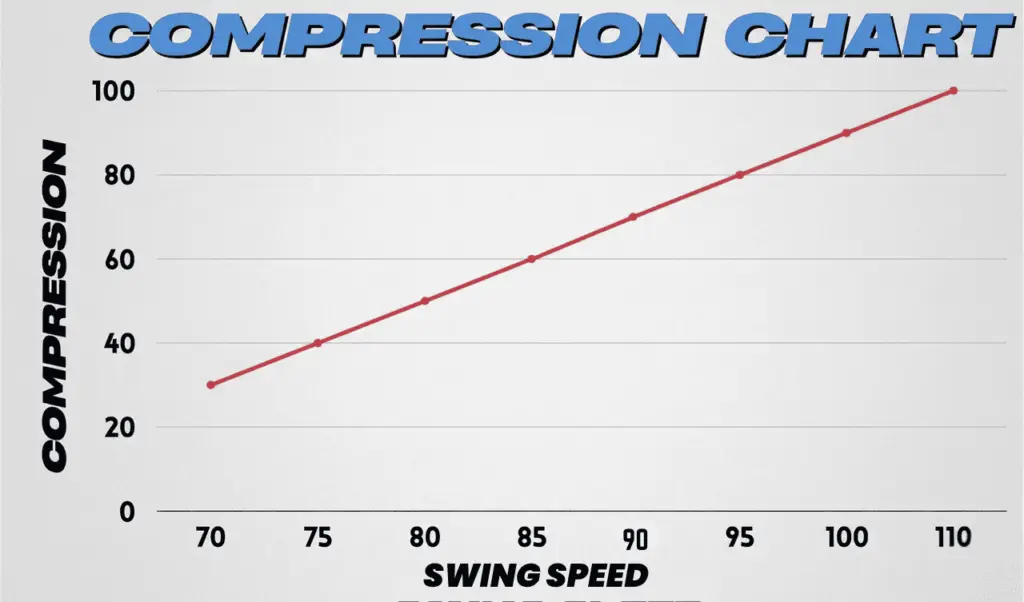
Here is a simple chart that I put together based on my own testing and research. Use it to find which of the best golf balls for distance and accuracy actually fits your swing speed:
| Swing Speed | Compression You Need |
|---|---|
| Under 75 mph | 40 and below |
| 75-85 mph | 50-65 |
| 85-100 mph | 65-80 |
| 100-110 mph | 80-90 |
| 110+ mph | 90-102+ |
Right now, you might think: “But wait! I love how soft balls feel when I chip and putt.”
Do not worry at all. We will solve that exact issue for you later in this guide. Just keep reading.
Before we get to the top list, let me show you my test. What really goes wrong when you play the wrong ball?
The Proof — What Wrong Compression Does to Your Game
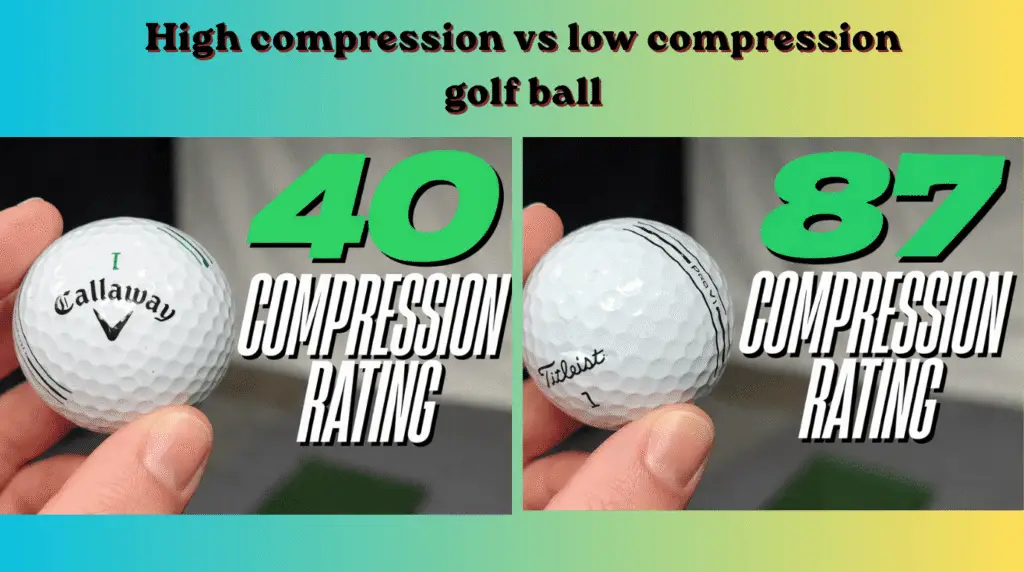
To show you why compression is so key, I did a simple test.
I grabbed two very different golf balls.
First, the Titleist Pro V1. It has a high rating of 87.
Second, the Callaway Supersoft. It has a low rating of 40.
My normal swing speed fits the 87 rating perfectly.
I hit both balls with my normal swing. I used a driver, a 7-iron, and a pitching wedge. I wanted to see the real difference.
But I did not stop there.
I also hit both balls with a much slower swing speed. I even used ladies golf clubs for this. I wanted to show you both ends of the scale.
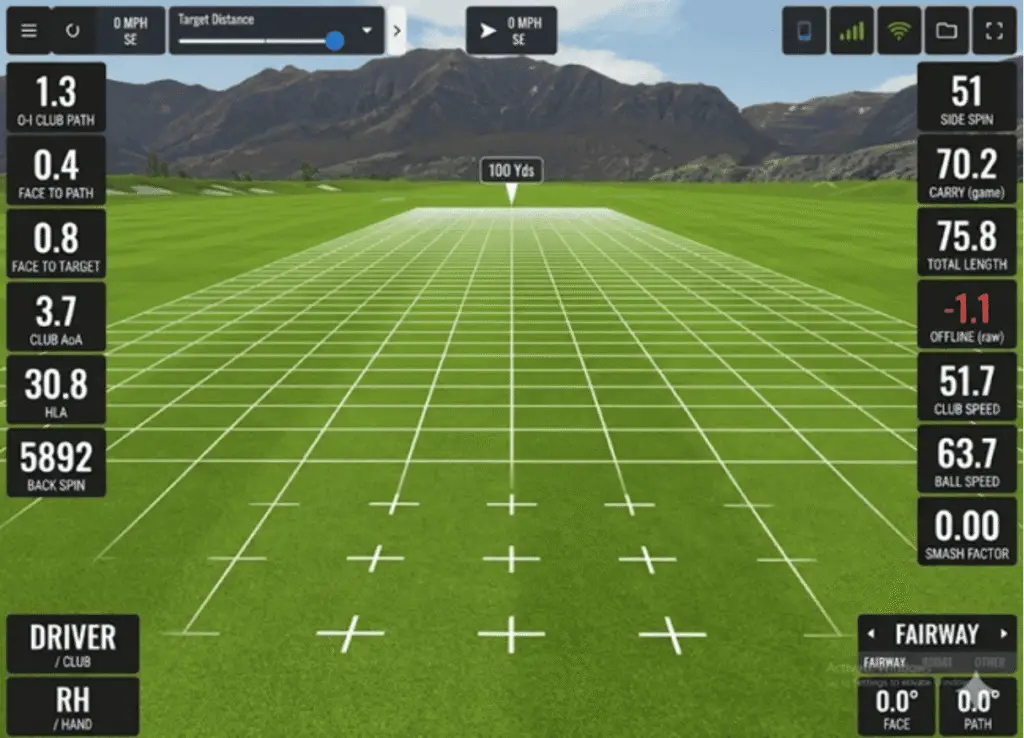
I hit five shots with each club and each ball. I self-tested all of this. I saved the exact launch data to prove it. (You can see my screenshots below!)
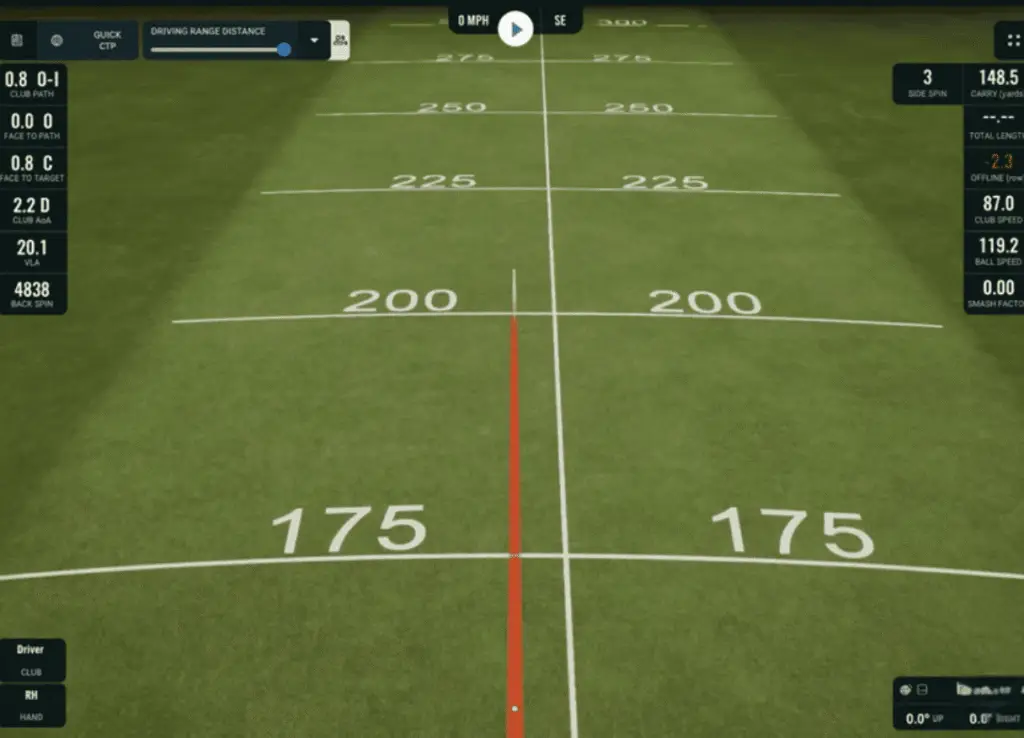
The Slower Swing Speed Results
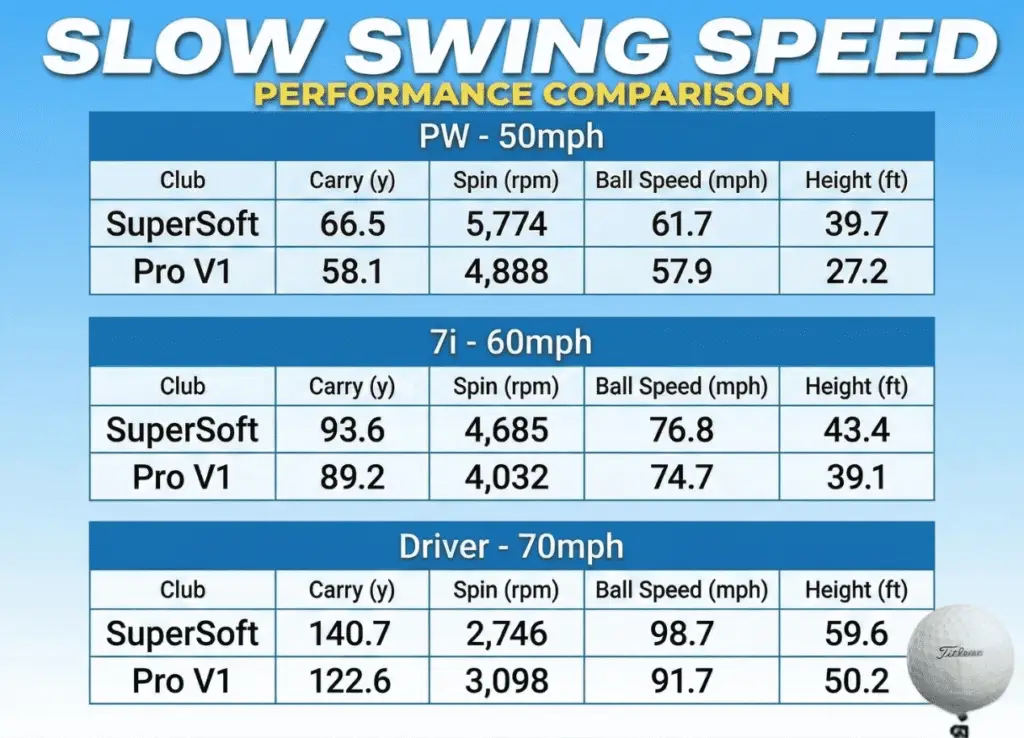
Let us look at the slow swing speed first.
With every single club, the Callaway Supersoft flew much further.
Remember, the Supersoft has a low rating of 40. It is made for slow swings. It works best when you do not hit it hard. The Pro V1 is made for hard hits.
With a slow swing, the Pro V1 just did not work right.
It spun less when I needed it to spin more. It spun more when I needed it to spin less. The Pro V1 could not even get high up in the air.
The ball speed for the Supersoft was higher on every single shot.
If you use a slow swing with a Pro V1, your shots will just drop short. It is like putting the wrong fuel in a race car.
The Faster Swing Speed Results
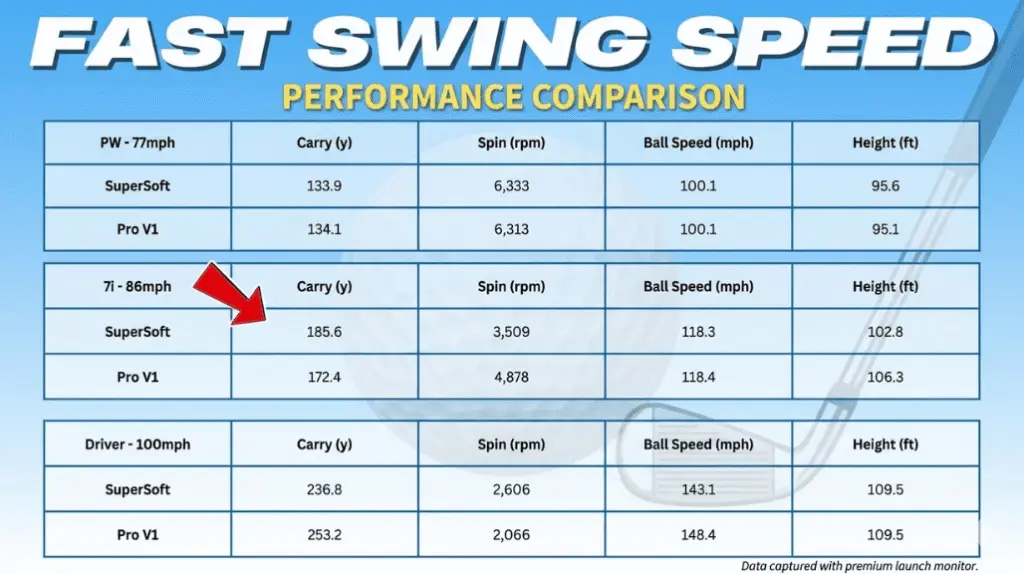
Now, let us look at the fast swing speed. How did the soft ball do against a fast hit?
The driver numbers show a huge gap.
The Pro V1 flew 253 yards. The Supersoft only flew 237 yards. That is a 16-yard drop. This is exactly why picking the best golf balls for distance and accuracy matters — the wrong compression kills both.
When you hit the Supersoft with a fast swing, the ball speed drops. The soft ball gets put under too much pressure. It just breaks down. The Pro V1 is built to handle that hard hit.
With the 7-iron, something crazy happened. The Supersoft flew 185 yards. The Pro V1 flew 172 yards.
You might think more distance is good. But it is not.
The Supersoft flew far because it had very low spin. If the spin is that low, the ball will never stop on the green. You can hit it as far as you want. But if it rolls right off the back of the green, you will never lower your score.
The Big Takeaway
This test used two extreme golf balls. I did this on purpose.
I wanted to show you exactly what happens when you use the wrong ball for your swing. It hurts your game a lot.
Now that you see the proof, you are ready for the next step.
How to Pick the Right Golf Ball - A Simple 3-Step Process
Now you’ve seen what happens when you use the wrong golf ball.
So the next step is simple.
Step 1 — Know Your Swing Speed
Everything starts here. Because your swing speed decides what golf ball you need.
Now, you might be thinking:
“I don’t know my swing speed.”
That’s fine. You don’t need an exact number. A rough idea is more than enough.
Here are a few easy ways to estimate it:
- Ask your local golf pro
- Use a driving range with tracking
- Or estimate from your driver distance
👉 Simple guide:
- Under 220 yards → slower swing speed
- 220–260 yards → mid-range swing speed
- 260+ yards → faster swing speed
That’s all you need to move forward.
Step 2 — Match Your Compression to Your Swing Speed
This is the most important step. Once you know your swing speed, you match it with the right compression. Use the chart from earlier.
👉 This step filters out most of the wrong golf balls instantly.
And that’s key. Because most golfers do this backwards. They choose a brand first. Or they choose based on feel.
That’s a mistake.
👉 Compression comes first
👉 Everything else comes after
Once you get this right, you will already notice a difference in your distance and control.
Step 3 — Find the Feel That Works for You
Once you have a compression shortlist start experimenting with different balls within that range.
And here is the good news. High compression does not mean harsh feel. Manufacturers fine tune the cover and outer layers separately from the core. So a ball built for fast swingers can still feel soft and responsive around the greens and off the putter.
The Pro V1 is the perfect example of this. High compression. Yet famous for its soft feel with a wedge and putter. That is precise engineering at work.
Try a few balls within your compression range. Hit some chips. Roll some putts. Find the one that feels right.
That is your ball.
The Top Golf Balls for Distance and Accuracy in 2026
Here is the best part. I took all my test data and found the top golf balls for this year. I broke them down by swing speed. This makes it very easy for you to pick the right one.
Click the links below each ball to check the best current prices.
Here is The Top Golf Balls for Distance and Accuracy in 2026:
For Slower Swing Speeds — Under 95 mph
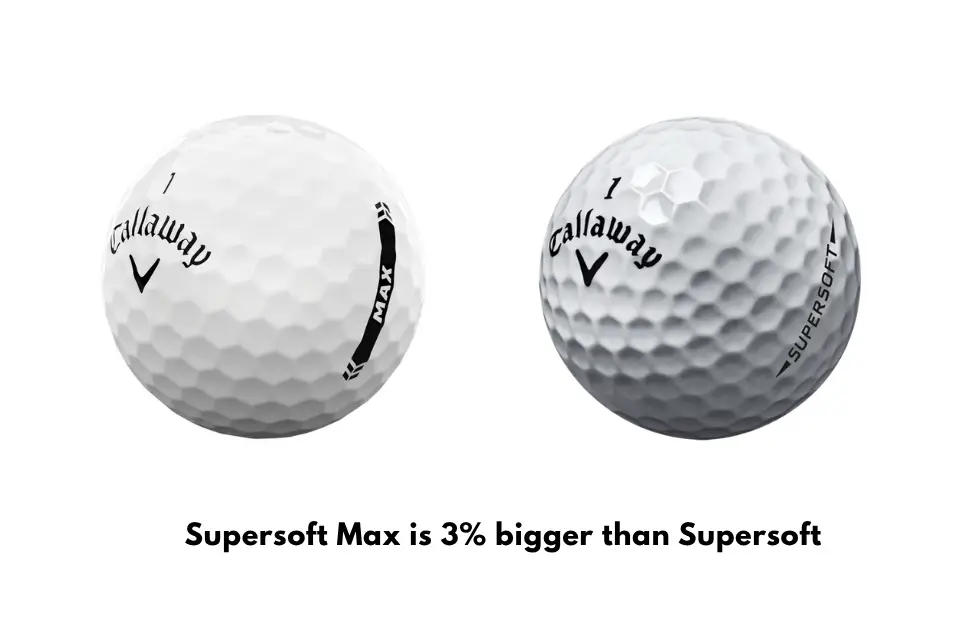
If your swing speed is under 95 mph this ball was built for you.
The Supersoft Max is an oversized two piece ball with a compression of around 40 to 60. That larger diameter is not just a gimmick. It changes how the ball flies. It floats through the air cleanly. It launches higher. And it stays straighter even on off centre strikes.
In my testing the Supersoft carried further than the Pro V1 with every single club at slower swing speeds. Ball speed was higher across the board. It got up in the air where the Pro V1 simply could not.
Driver spin sits around 2600 to 2800 RPM. Low enough for real distance. Forgiving enough that mishits still advance the ball instead of nosediving into the ground.
Around the greens plan for bump and run. This is not a check and stop ball. But for its target player that is absolutely fine.
Pros: Easy to launch, very forgiving on mishits, excellent carry for slower swing speeds, straighter ball flight
Cons: Minimal greenside spin, ball speed collapses under faster swing speeds.
Best for: Beginners, high handicappers, seniors, recreational players
Compression: 40 – 60 | Swing Speed: Under 95 mph
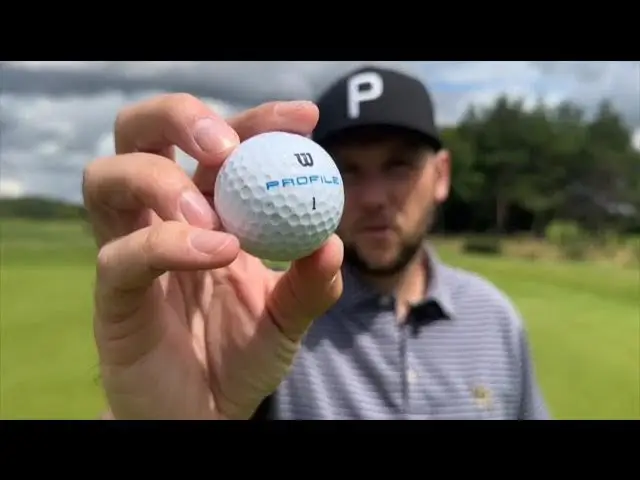
The Wilson Profile is the budget option that quietly outperforms its price tag.
It has a high energy core, low compression, and a soft feel around the greens that genuinely surprises you for the money. Carry distance is solid for recreational players. And that soft feel on chips and putts is a real bonus at this price point.
This is not a ball that will take you to scratch. But it is a ball that gives weekend players honest performance without emptying their wallet.
Pros: Excellent value, soft feel around greens, decent carry distance for the price.
Cons: Not built for precision or consistency at a competitive level.
Best for: Casual weekend players, beginners on a budget
Compression: Low | Swing Speed: Under 90 mph
For Mid Range Swing Speeds — 85 to 105 mph
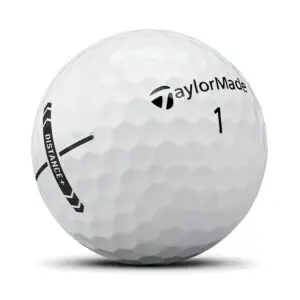
This ball has been around for years for one simple reason. It works.
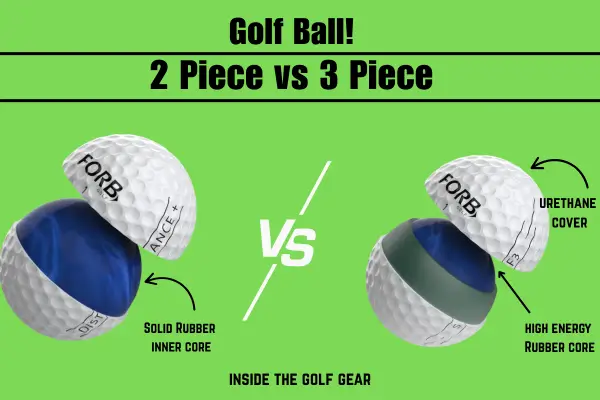
Two piece construction. React Speed core. Surlyn cover. No gimmicks. Just honest reliable distance. Compression sits around 77 making it playable anywhere from 90 mph all the way up to 110 mph without getting overwhelmed.
Driver spin comes in at 2300 to 2500 RPM. Right in that sweet spot where you get carry and roll without ballooning or falling out of the sky. The flight is stable and boring in the best possible way. It just wants to go straight.
Around the greens it is predictable. Consistent roll out on chips and bump and runs. Not a spin monster but you always know what you are going to get.
Dollar for dollar this is one of the best distance balls ever made.
Pros: Excellent driver efficiency, stable penetrating ball flight, outstanding value.
Cons: Average feel on putts, limited greenside spin for advanced players.
Best for: Mid handicappers wanting reliable distance and maximum value.
Compression: ~77 | Swing Speed: 90 – 110 mph
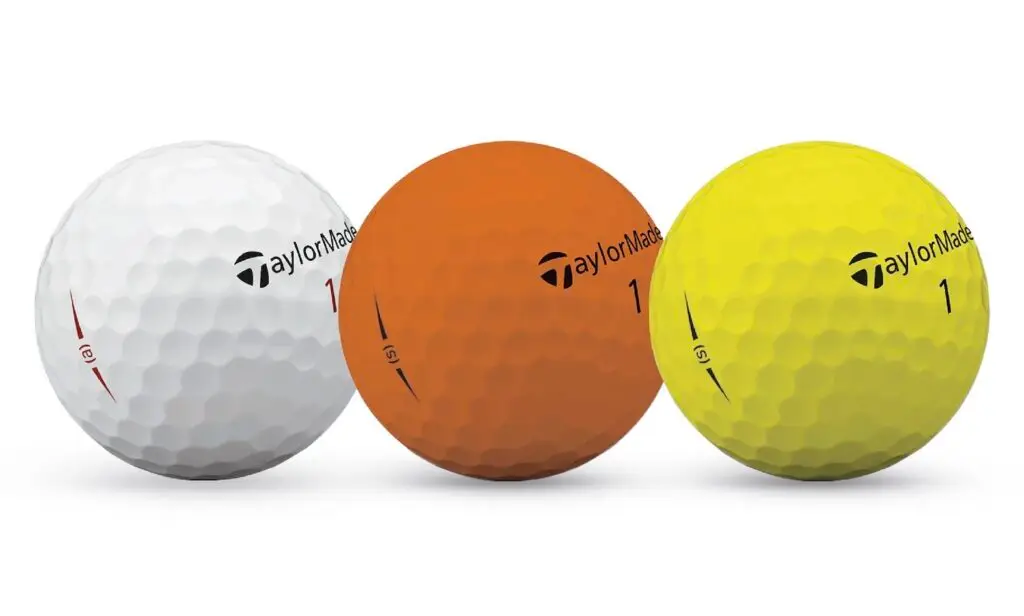
The Project S is trying to live in two worlds at once. Distance off the tee and control around the greens. And it mostly pulls it off.
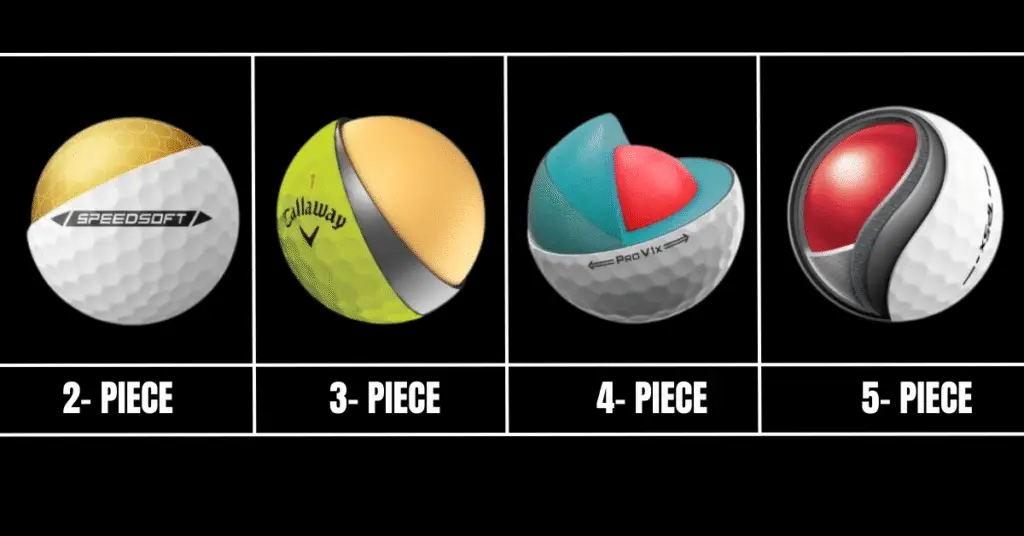
Three piece construction with a urethane cover. Compression in the mid 70s. Driver spin of 2400 to 2600 RPM — low enough to prevent ballooning but high enough to keep a solid trajectory.
It carries 2 to 4 yards further than standard two piece distance balls. That might not sound like much but over 18 holes it adds up. And that urethane cover gives you real greenside spin. Hop and stop chips are genuinely executable with this ball.
If you want distance without completely sacrificing your short game this is the ball to look at.
Pros: Soft feel without sacrificing distance, lower driver spin than most soft balls, urethane cover at a reasonable price.
Cons: Not the longest ball on pure mishits, average durability.
Best for: Moderate swing speed players who want distance and short game performance.
Compression: Mid 70s | Swing Speed: 85 – 100 mph
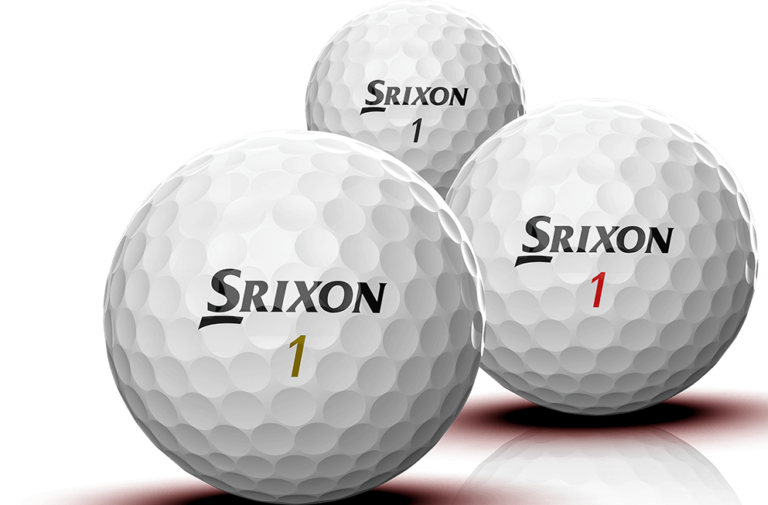
The Srixon Distance ball comes with a 324 dimple pattern designed to reduce drag and improve lift. Even on breezy days that aerodynamic design helps keep the ball on line.
Low compression boosts launch angle and the durable ionomer cover holds up round after round. In terms of build quality for the price this ball genuinely delivers.
The honest caveat is consistency. Some players love the responsive feel. Others find it just average. It is a solid budget option but if consistency is your top priority the premium options on this list will serve you better.
Pros: Durable ionomer cover, aerodynamic dimple pattern, good value.
Cons: Inconsistent performance feel, not as reliable as premium options.
Best for: Players wanting a durable aerodynamically engineered budget ball
Compression: Low to mid | Swing Speed: 85 – 100 mph
For Fast Swing Speeds- 100 mph and Above
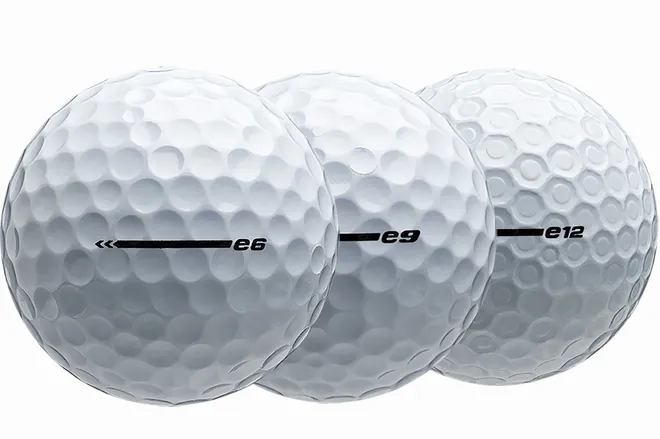
This ball is built for one thing. Raw distance. And it makes no apologies for it.
Two piece construction powered by Bridgestone’s extreme gradational core. Compression sits around 75 to 80. And the faster you swing the harder this ball pushes back. It does not collapse under pressure. It does not over spin. It just launches and goes.
Driver spin comes in at 2100 to 2300 RPM. The lowest on this list. It turns high spin bombs into piercing bullets. On firm fairways this ball lands takes a hop and keeps running like it has somewhere to be.
When you catch one clean off the face you will hear it. That loud hot crack that instantly tells you the shot is gone.
Greenside control is basic. This is a land it short and plan your roll out ball. But that is not why you play the E9. You play it because you want maximum speed and every last yard out of the tee box.
Pros: Explosive ball speed, very low driver spin, outstanding total distance.
Cons: Firm feel on wedges, limited short game control.
Best for: Pure distance seekers with fast swings who understand the short game trade off.
Compression: 75 – 80 | Swing Speed: 100+ mph.
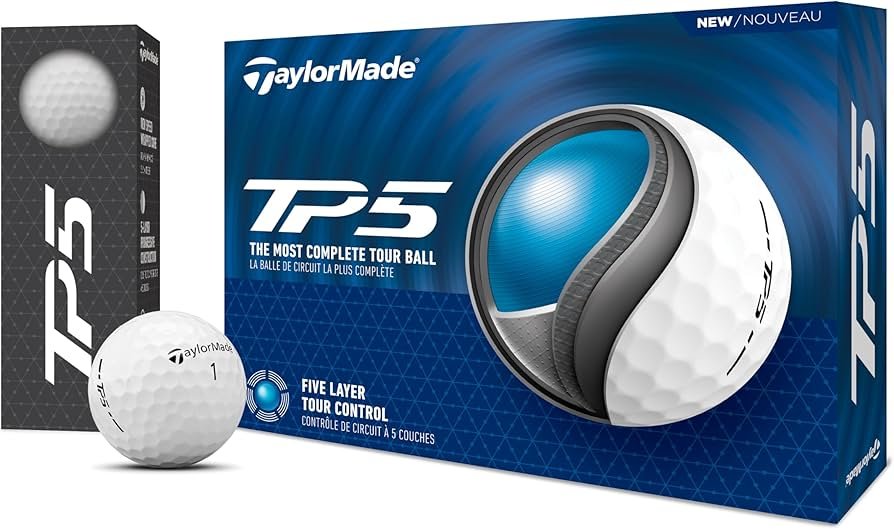
The TP5 is built for serious golfers who refuse to choose between distance and precision — and it earns its place among the best golf balls for distance and accuracy in the premium category.
Five layer progressive construction with a urethane cover and TaylorMade’s speed gradient technology. What that means in practice is low spin on long irons for distance and high spin on wedges for precision. Both in the same ball.
The feel is soft and intentional on every shot. This is a ball that rewards skilled golfers with consistent ball striking. And the customer feedback consistently backs up that distance and control combination.
If you are regularly breaking 80 and want a ball that performs across every single club in your bag the TP5 belongs on your shortlist.
Pros: Tour level distance and control, excellent wedge spin, soft intentional feel.
Cons: Premium price tag, not worth the cost if you are not breaking 80 consistently.
Best for: Skilled golfers wanting precision and distance across every club
Compression: Mid high | Swing Speed: 95 – 110 mph
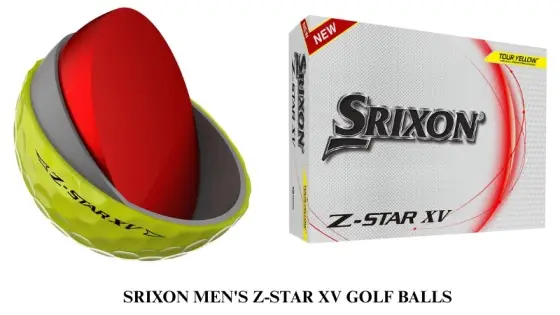
This is the big dog. This is the longest true tour level ball that real golfers can actually benefit from — and arguably the top pick when you are searching for the best golf balls for distance and accuracy at tour level.
Four piece construction. Cast urethane cover. Compression of around 102. Everything about this ball is engineered for speed and stability at high swing speeds.
Driver spin sits at 2200 to 2400 RPM. Insanely efficient for a urethane ball. It bores through the air. Holds its line when the wind picks up. No floating. No wobble. Just a penetrating flight that keeps going.
Compared to softer tour balls that spin too much off the driver you can realistically pick up 5 to 8 yards with the Z-Star XV. And with irons it still produces enough spin to hold firm greens and attack tucked pins.
Around the greens this is where it truly separates itself from every pure distance ball on this list. Tour level spin. Tour level distance. No compromise between the two.
Pros: Tour level distance, excellent iron and wedge spin, stable penetrating ball flight.
Cons: Too firm for swing speeds under 95 mph, premium price.
Best for: Skilled golfers with 100+ mph swing speed who want distance and accuracy together.
Compression: ~102 | Swing Speed: 100+ mph
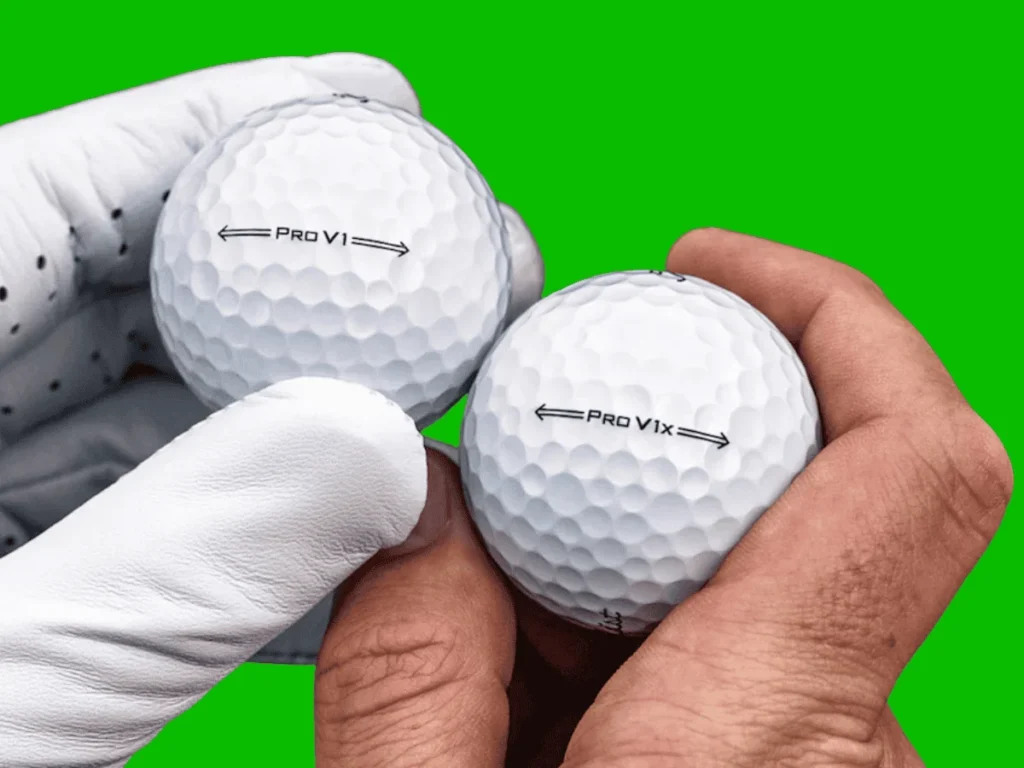
The benchmark. The ball every other ball on this list is measured against.
High gradient core. 388 tetrahedral dimple design. Soft cast urethane cover. The Pro V1 reduces long game spin while boosting distance. It delivers a penetrating ball flight that holds its line in every condition.
And I proved this in my own testing. At the right swing speed the Pro V1 carried 253 yards with the driver. 16 yards further than the Callaway Supersoft at the same swing speed. The numbers do not lie.
Greenside spin is unmatched. Skilled golfers get the kind of control that turns a good shot into a great one. Zip it back with the wedge. Stop it dead with a mid iron. The Pro V1 does it all.
But here is the honest truth. This ball only works for you if your swing speed can unlock it. If you are under 90 mph the Pro V1 will actually hurt your game. Just like my testing showed. Wrong compression. Wrong performance. Simple as that.
If you are breaking 80 consistently and swinging at 95 mph or above this is the ball. Full stop.
Pros: Unmatched greenside spin and control, penetrating distance ball flight, the tour proven benchmark.
Cons: Expensive, performs poorly below 90 mph swing speed, not for beginners or high handicappers.
Best for: Skilled golfers breaking 80 consistently with 95+ mph driver swing speed.
Compression: ~87 | Swing Speed: 95 – 110 mph
Budget vs Premium- The Honest Truth
Let us talk about the price. Do you really need a $50 box of golf balls? Here is something the golf industry does not want you to focus on too much.
The Kirkland Signature V3 has nearly the same compression rating as the Titleist Pro V1. And the performance numbers are almost identical.
So what exactly are you paying for with a premium ball?
When you pay top dollar, you pay for three main things. You get a tighter shot spread. You get much better build quality. And you get balls made the exact same way every single time.
Does a tight shot spread matter to your game? If you shoot in the 70s, the answer is yes. You likely already know it. That high price is worth it for your game.
But what if you still lose a few balls each round? What if you just want good distance and a ball that stops fast on the green?
Then a budget ball is perfect for you. As long as it matches your swing speed, it will do the exact same job.
The compression score is what really matters. The shiny brand name printed on the side of the ball does not.
The Habit That Makes Everything Work
Finding the right golf ball is only half the job. The other half is this. Stick to it.
Your golf game needs consistency. And that means playing the same ball every single time you go out. Not switching between whatever is in your bag. Not grabbing a found ball on the fourth hole. The same ball. Every round.
Here is what happens when you do that. You learn exactly how far it flies with every club. You learn how it acts in the wind.
Most of all, your putting gets better.
When you use the same ball, your distance control on the green gets very good. You know exactly how hard to hit it to make it to the hole. And getting better at putting is the single fastest way to lower your golf score.
There are lots of great choices on the market today. But if you switch golf balls every time you play a new round, you throw all of this away. You force your brain to guess every time you swing.
Pick the right ball. Commit to it. Watch your score drop.
Picking the right golf ball is easy once you know the system. Match your swing speed to the right compression score first. Everything else comes after that. The right ball — chosen from a tested, honest list of the best golf balls for distance and accuracy — gives you longer drives off the tee and stops fast on the greens. Your golf score and your wallet will thank you for taking the time to get this right.
We tested all these balls to give you a true and honest review. If you buy a ball using our Amazon links above, we may earn a small fee. This never adds a single cent to your cost. It simply helps us keep testing gear for you!
Remember this one final rule before your next round.
You do not need to change your golf swing. You just need to change your golf ball.
A Small Request for Our Readers

Hey amazing reader!
We know the ads can get a bit much sometimes, but they help keep this site alive and bring you the content you love. Your support means the world- thank you from the heart! 💙
We may earn a commission, at no additional cost to you.
Affiliate Disclosure: Some links in this article are affiliate links. If you buy through them, we may earn a small commission at no extra cost to you. This helps us keep testing and reviewing gear. All opinions are our own.